
Living & Working

The Munich metropolitan region offers an exceptional quality of life and work that attracts people from all over the world and keeps them here for the long term. It combines economic strength with an environment that equally fosters personal growth, professional development, and a high standard of living. Those who live and work here benefit from a region where modern work environments, innovative companies, and diverse career opportunities meet a highly attractive living space that offers immediate access to recreation, culture, and nature. 

The Munich metropolitan area

  • is THE leading economic region in Central Europe and southern Germany, extending far beyond Munich’s immediate surroundings.

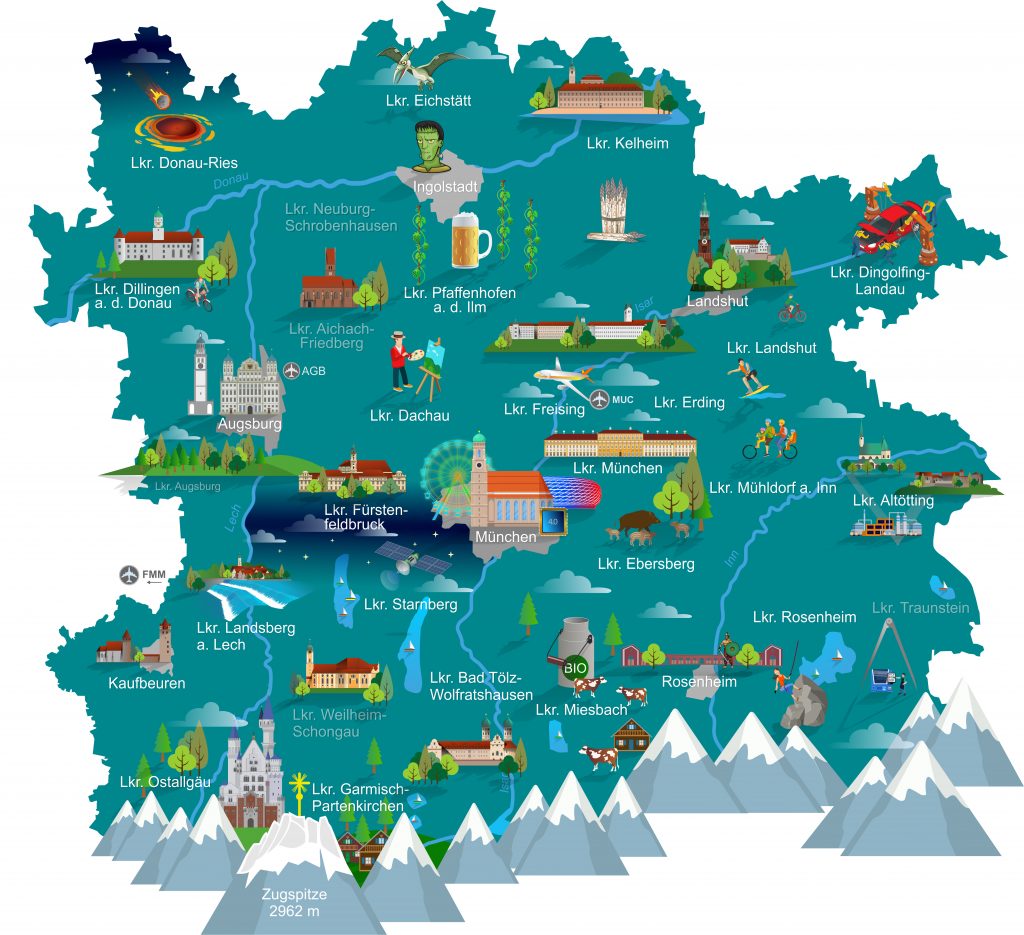
  • It stretches from Eichstätt in the north to Garmisch-Partenkirchen in the south, and from Kaufbeuren in the west to Altötting in the east.

  • has 6.2 million inhabitants, includes 27 counties and 6 independent cities in Southern Bavaria, and covers a total area of approximately 26,000 km²—almost as large as Belgium.

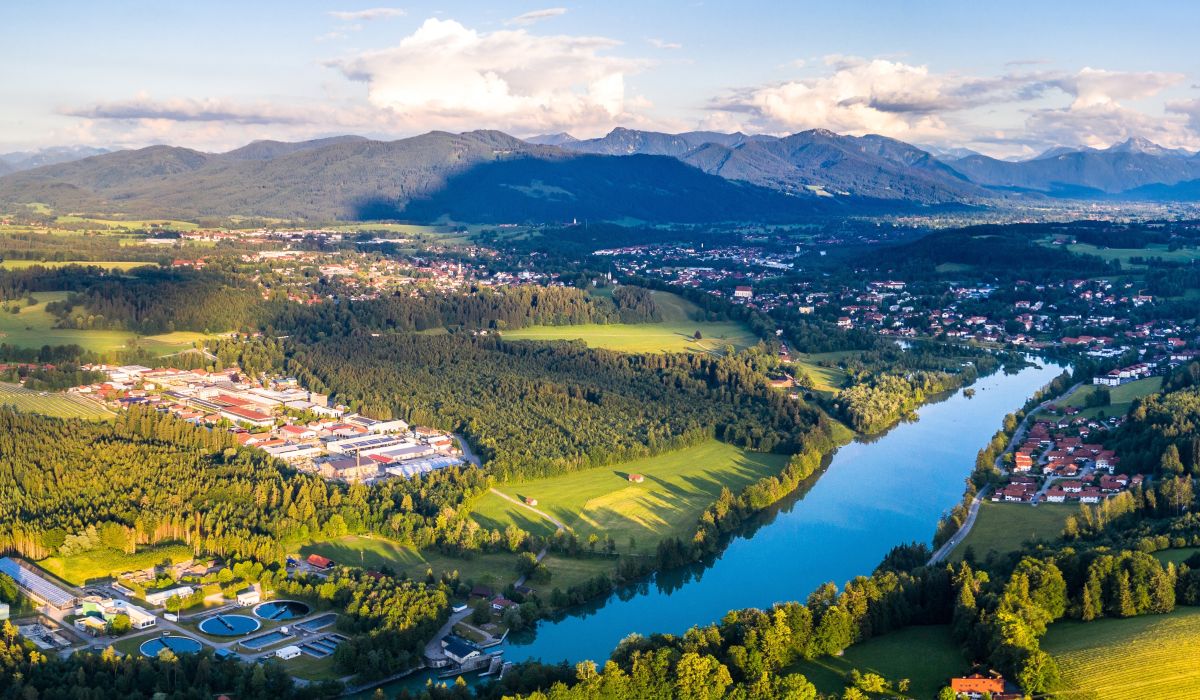
  • is unique due to its combination of economic and living space in a special geographical location on the edge of the Alps.

  • is known for its culture of enjoyment, southern lifestyle, stability, and security, which are a guarantee of success and quality of life not only by international standards.

NOTE: Not all districts and cities in the Munich Metropolitan Region are members of EMM e.V., which is why there are some discrepancies here.
© dreigestalt design
© EMM e.V. / Artwork: dreigestaltdesign
Symbolkarte mit Motiven
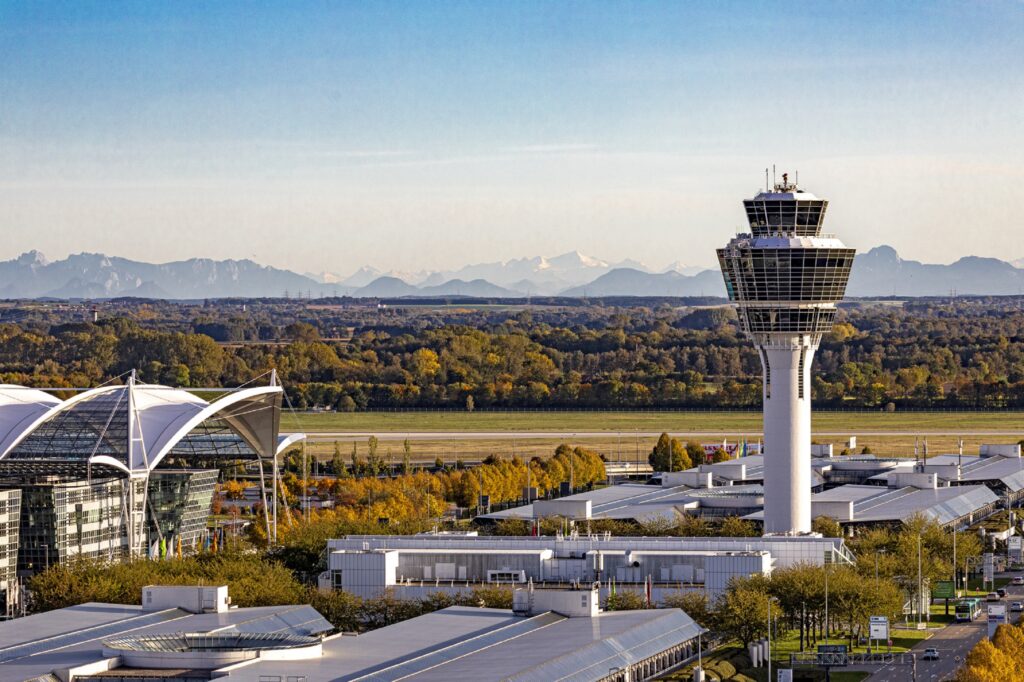
©Flughafen München GmbH

The region boasts an excellent infrastructure—providing connections both within the Munich metropolitan area and to the rest of Europe and the world. Due to its proximity to the Alps, the region is often referred to as the “Gateway to Italy.” And with good reason: by rail or road, you can reach the first towns of South Tyrol in about two hours.

By rail
Munich is considered a major hub in the European rail network. Three transnational long-distance rail corridors intersect here:

  1. Berlin – Munich – Rome

  2. Paris – Munich – Budapest

  3. Zurich – Munich – Prague

By road
The metropolitan region is crisscrossed by a dense network of highways. This network radiates out across the entire region, ensuring good connections to the rest of Germany and neighboring countries.

By air
MUC, Munich’s “Franz Josef Strauss” Airport, connects the region to 270 destinations in over 70 countries. Germany’s second-largest airport is a major hub and ranks among the top ten European airports, handling 46 million passengers annually (pre-pandemic figures). In the western part of the Munich metropolitan region, Allgäu Airport offers an interesting alternative as a starting point for travel to an ever-increasing number of destinations.